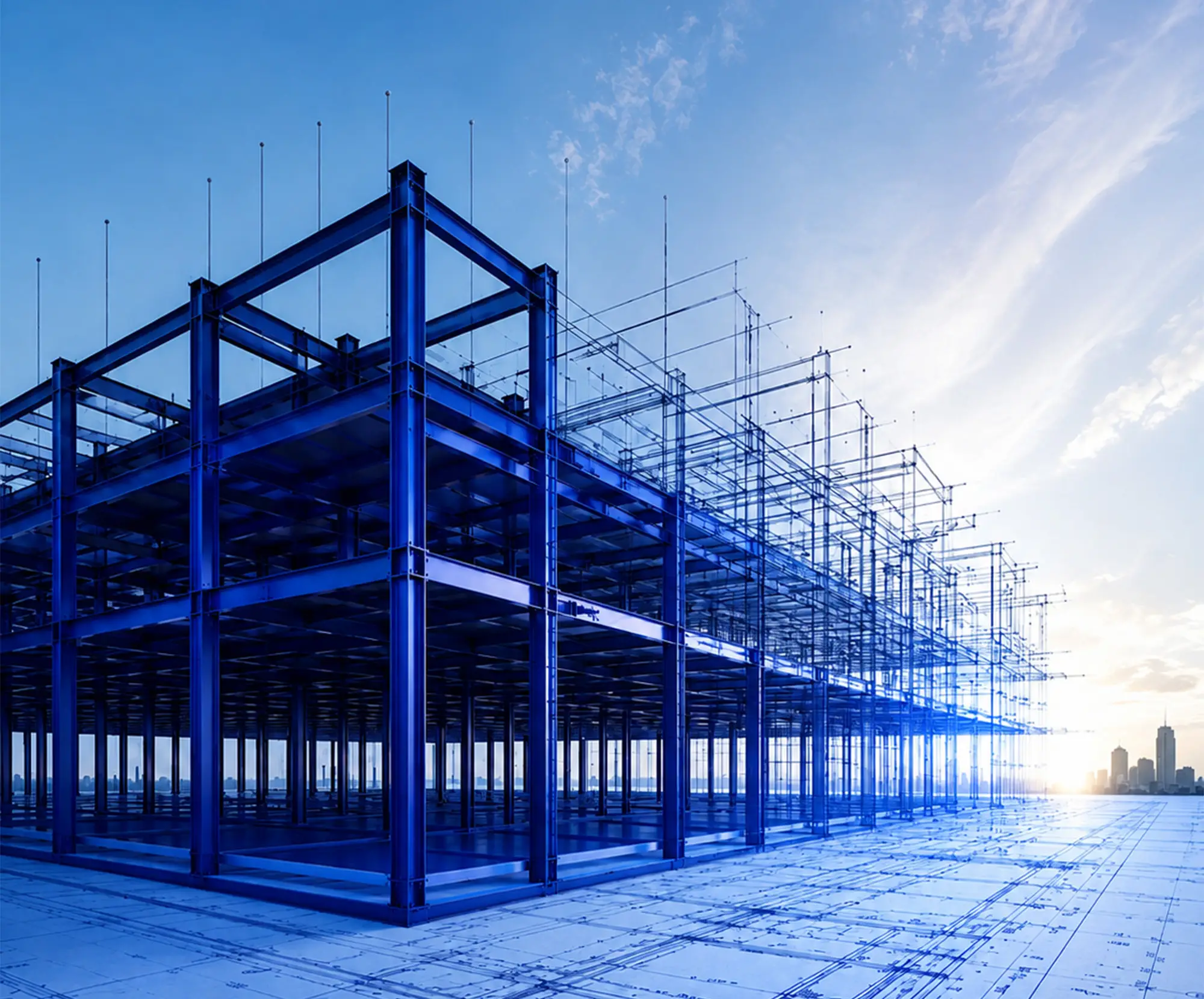
شراكة هندسية تدعم جودة المشروع وكفاءته الاستثمارية
تقدم جدير للاستشارات خدمات الاستشارات الهندسية المتكاملة لدعم المطورين العقاريين والمستثمرين وأصحاب المشروعات في اتخاذ قرارات فنية وتنفيذية مدروسة خلال مختلف مراحل المشروع، بدءًا من دراسة الفكرة والتخطيط، مرورًا بالتصميم والتعاقد والتنفيذ، ووصولًا إلى التسليم والتشغيل.
نعمل على الربط بين المتطلبات الهندسية والأهداف الاستثمارية للمشروع، بما يساعد على تحقيق التوازن بين الجودة والتكلفة والمدة الزمنية والمخاطر والعائد المتوقع على الاستثمار.
تشمل خدماتنا دراسات الجدوى الهندسية والفنية، وتحليل التصاميم والمخططات، وإعداد استراتيجيات التنفيذ وإدارة المشروعات، وتقييم المقاولين، وضبط التكاليف والهندسة القيمية، والإشراف الفني أثناء التنفيذ، وإدارة المخاطر الهندسية، وإعداد التقارير الفنية الداعمة للقرار.
تبدأ الخدمة بفهم طبيعة المشروع وأهداف المطور ومتطلبات الموقع والميزانية والبرنامج الزمني، ثم يتم تطوير نطاق استشاري يتناسب مع مرحلة المشروع واحتياجاته الفعلية.
دراسة الفكرة والمتطلبات الهندسية
نبدأ بتحليل فكرة المشروع لفهم أهدافه ونطاقه ومكوناته ومتطلبات المستخدمين وأصحاب المصلحة، ومدى توافقه مع الموقع والميزانية والرؤية الاستثمارية.
تشمل الدراسة مراجعة طبيعة الاستخدام، والمساحات المطلوبة، والطاقة الاستيعابية، ومستوى الجودة المستهدف، والأنظمة والخدمات الفنية اللازمة.
كما نحدد القيود الأولية التي قد تؤثر في المشروع، مثل طبيعة الموقع، والوصول، والبنية التحتية المتاحة، والاشتراطات التنظيمية، والظروف البيئية والجغرافية.
تساعد هذه المرحلة على تكوين تصور هندسي أولي واضح، وتقليل التغييرات غير المخططة خلال التصميم والتنفيذ.
دراسات الجدوى الهندسية والفنية
نعد دراسات جدوى هندسية وفنية لتقييم قابلية المشروع للتنفيذ من حيث الموقع والتصميم والبنية التحتية والموارد والتقنيات والبرنامج الزمني.
تشمل الدراسة تحديد المتطلبات المعمارية والإنشائية والكهربائية والميكانيكية، وتقييم الخيارات الفنية، وتقدير الاحتياجات الأساسية لكل مرحلة.
كما نحلل البدائل المتاحة من حيث مستوى الجودة والتكلفة وسهولة التنفيذ والتشغيل والصيانة والمرونة المستقبلية.
تنتهي الدراسة بتوصيات فنية توضح مدى قابلية المشروع للتنفيذ، والمتطلبات الأساسية، والبدائل المناسبة، والمخاطر التي ينبغي معالجتها قبل الالتزام بالتنفيذ.
تحليل الموقع والظروف المحيطة
نحلل خصائص الموقع والعوامل المحيطة التي قد تؤثر في تصميم المشروع وتنفيذه وتشغيله.
قد يشمل التحليل موقع الأرض ومساحتها وشكلها، وطبيعة التضاريس والتربة، وإمكانية الوصول، والخدمات والبنية التحتية المتاحة، والعلاقة بالمشروعات والمرافق المجاورة.
كما تتم مراجعة العوامل المناخية والبيئية والمرورية والتنظيمية التي قد تفرض قيودًا أو تتيح فرصًا في تصميم المشروع.
يساعد تحليل الموقع على تطوير حلول أكثر واقعية، وتقليل المفاجآت الفنية، وتحسين استخدام المساحات والموارد المتاحة.
تحليل التصاميم والمخططات الهندسية
نراجع التصاميم والمخططات الهندسية للتأكد من توافقها مع متطلبات المشروع وأهدافه الوظيفية والجمالية والتنفيذية.
تشمل المراجعة المخططات المعمارية والإنشائية والكهربائية والميكانيكية وأنظمة السلامة والخدمات والتنسيق بين التخصصات المختلفة.
نحدد التعارضات والفجوات والمعلومات الناقصة والتفاصيل التي قد تؤدي إلى أخطاء أو تغييرات أو تكاليف إضافية أثناء التنفيذ.
كما نقدم ملاحظات وتوصيات لتحسين قابلية التنفيذ، ورفع الكفاءة، وتقليل التعقيد، وتحسين تجربة الاستخدام والتشغيل والصيانة.
تنسيق التخصصات الهندسية
نساعد على تحقيق التكامل بين التخصصات المعمارية والإنشائية والكهربائية والميكانيكية وأنظمة الاتصالات والسلامة وغيرها من مكونات المشروع.
تشمل الخدمة مراجعة نقاط الالتقاء بين الأنظمة، والتحقق من المساحات والمسارات والمناسيب والفتحات والاحتياجات التشغيلية.
كما نرصد التعارضات التي قد لا تظهر عند مراجعة كل تخصص بصورة منفصلة، وننسق مع المصممين والاستشاريين لمعالجتها قبل التنفيذ.
يساعد التنسيق المبكر على تقليل أوامر التغيير وإعادة العمل والتأخير والهدر في المواد والموارد.
إعداد استراتيجيات التنفيذ
نطور استراتيجية تنفيذ توضح الطريقة الأنسب لتحويل التصميم إلى مشروع قابل للتنفيذ ضمن الوقت والتكلفة والجودة المستهدفة.
تشمل الاستراتيجية تقسيم المشروع إلى مراحل وحزم عمل، وتحديد تسلسل الأنشطة، وخيارات التعاقد، وأولويات الشراء، والموارد والاعتماديات الرئيسية.
كما ندرس متطلبات الموقع واللوجستيات والتخزين والوصول والسلامة والتنسيق بين المقاولين والموردين والاستشاريين.
تساعد استراتيجية التنفيذ على رفع درجة الاستعداد، وتحسين التنسيق، وتقليل احتمالات التعثر خلال المراحل اللاحقة.
إدارة المشروعات الهندسية
نقدم دعمًا في إدارة المشروعات الهندسية من خلال تنظيم النطاق والبرنامج الزمني والتكلفة والجودة والمخاطر والتواصل بين الأطراف.
تشمل الخدمة تحديد الأدوار والمسؤوليات، وإعداد خطط العمل، ومتابعة الأنشطة والمخرجات، وتنظيم الاجتماعات والتقارير والقرارات.
كما نتابع الاعتماديات والمشتريات والتغييرات والمطالبات والقضايا التي قد تؤثر في تقدم المشروع.
يهدف هذا الدعم إلى الحفاظ على وضوح المشروع وانضباطه، وتسريع معالجة التحديات، وتوفير معلومات دقيقة لأصحاب القرار.
إعداد البرامج الزمنية ومتابعتها
نساعد على إعداد برنامج زمني واقعي يوضح مراحل التصميم والتراخيص والتعاقد والمشتريات والتنفيذ والاختبارات والتسليم.
يتم تحديد الأنشطة الرئيسية والفرعية ومددها وتسلسلها واعتمادياتها ونقاط الإنجاز الحرجة والمسؤولين عنها.
خلال التنفيذ، نقارن التقدم الفعلي بالمخطط، ونحدد التأخيرات والأنشطة الحرجة وأثرها المحتمل في الموعد النهائي.
كما نقترح إجراءات لاستعادة المسار، مثل إعادة ترتيب الأنشطة، أو تعزيز الموارد، أو معالجة الاعتماديات والعوائق.
تقييم واختيار المقاولين
نساعد المطورين وأصحاب المشروعات على تقييم المقاولين واختيار الجهات الأكثر ملاءمة لطبيعة المشروع ونطاقه ومتطلباته.
تشمل الخدمة وضع معايير التأهيل، ومراجعة الخبرات السابقة، والقدرات الفنية والمالية، والموارد، والكوادر، وأنظمة الجودة والسلامة.
كما نراجع العروض الفنية والمالية، ومنهجيات التنفيذ، والبرامج الزمنية، والاستثناءات، والافتراضات، وشروط التعاقد المقترحة.
يتم إعداد مقارنة منظمة توضح نقاط القوة والمخاطر والاختلافات بين العروض، بما يدعم قرار الترسية على أسس موضوعية.
إعداد نطاقات العمل ووثائق الطرح
نساعد على إعداد نطاقات عمل واضحة تحدد الأعمال المطلوبة والمواصفات والمخرجات والمسؤوليات وحدود كل طرف.
قد تشمل الخدمة إعداد أو مراجعة جداول الكميات، والمواصفات الفنية، ومتطلبات الجودة، وشروط التسليم، ونماذج التقارير والاعتمادات.
كما نساعد على تنظيم وثائق الطرح والأسئلة الفنية والتوضيحات والتعديلات التي تصدر خلال مرحلة المنافسة.
يساعد وضوح وثائق الطرح على الحصول على عروض أكثر دقة وقابلية للمقارنة، ويحد من الخلافات والتغييرات أثناء التنفيذ.
ضبط التكاليف الهندسية
نساعد المشروع على مراقبة التكاليف منذ المراحل المبكرة وحتى التنفيذ والتسليم، وربط القرارات الفنية بأثرها المالي.
تشمل الخدمة مراجعة الميزانية، وتقدير تكاليف العناصر والأعمال، ومقارنة العروض، ومتابعة الالتزامات والمصروفات والتوقعات المستقبلية.
كما نحلل الانحرافات والتغييرات والمطالبات والعوامل التي قد تؤدي إلى تجاوز الميزانية، ونقترح الإجراءات المناسبة لمعالجتها.
يوفر ضبط التكاليف رؤية محدثة عن الوضع المالي للمشروع ويساعد الإدارة على اتخاذ القرارات قبل تحول الانحرافات إلى تجاوزات كبيرة.
الهندسة القيمية
نطبق منهجية الهندسة القيمية لتحسين العلاقة بين الوظائف المطلوبة والجودة والتكلفة طوال دورة حياة المشروع.
نراجع عناصر التصميم والمواد والأنظمة وطرق التنفيذ، ونبحث عن بدائل تحقق المتطلبات نفسها أو تحسنها بكلفة أكثر كفاءة.
لا تهدف الهندسة القيمية إلى خفض التكلفة فقط، بل إلى حماية الوظيفة والجودة والسلامة والمتانة وكفاءة التشغيل والصيانة.
يتم تقييم البدائل وفق أثرها في التكلفة والمدة والجودة والمخاطر والعمر التشغيلي، ثم تقديم التوصيات المناسبة لأصحاب القرار.
الإشراف الفني أثناء التنفيذ
نقدم إشرافًا فنيًا يساعد على التحقق من تنفيذ الأعمال وفق المخططات والمواصفات والاعتمادات ومتطلبات الجودة والسلامة.
تشمل الخدمة متابعة الأعمال ميدانيًا، ومراجعة المواد والعينات والمخططات التنفيذية، ومراقبة الاختبارات، وتوثيق الملاحظات.
كما نرصد الأعمال غير المطابقة، ونطلب الإجراءات التصحيحية، ونتابع إغلاق الملاحظات بالتنسيق مع المقاول والاستشاري والأطراف المعنية.
يساعد الإشراف الفني على حماية جودة المشروع، وتقليل الأخطاء، وتحسين الالتزام بالمتطلبات المعتمدة.
التوجيه الهندسي ودعم القرارات
نقدم توجيهًا هندسيًا لأصحاب المشروعات والإدارة عند ظهور تغييرات أو تحديات أو بدائل تتطلب قرارًا فنيًا أو ماليًا.
نحلل المشكلة والخيارات المتاحة، ونوضح أثر كل خيار في الجودة والتكلفة والمدة والسلامة والتشغيل والمخاطر.
كما ننسق مع الأطراف الفنية لجمع المعلومات اللازمة والتحقق من الافتراضات قبل إعداد التوصية.
يساعد هذا الدعم على تسريع القرارات وتقليل أثر التأخير واختيار البديل الأكثر ملاءمة لأهداف المشروع.
إدارة التغييرات والمطالبات
نساعد على تنظيم التغييرات التي تطرأ على نطاق المشروع أو تصاميمه أو شروط تنفيذه، وتقييم آثارها قبل اعتمادها.
تشمل الخدمة توثيق طلب التغيير، وتحديد أسبابه، ومراجعة ضرورته، وتحليل أثره في التكلفة والبرنامج الزمني والجودة والمخاطر.
كما نراجع المطالبات الفنية والمالية المرتبطة بالتغييرات أو التأخير أو الظروف غير المتوقعة، ونحلل الوثائق والمبررات المقدمة.
تساعد الإدارة المنظمة للتغييرات على حماية المشروع من القرارات غير المدروسة وتقليل الخلافات والتكاليف غير المتوقعة.
إدارة المخاطر الهندسية
نحدد المخاطر الفنية والتنفيذية التي قد تؤثر في جودة المشروع أو تكلفته أو مدته أو سلامته أو قابليته للتشغيل.
قد تشمل المخاطر مشكلات الموقع والتربة، وتعارض التصاميم، وتأخر الاعتمادات، ونقص المواد، وضعف المقاولين، والتغيرات، ومخاطر السلامة.
نقيّم احتمال كل خطر وأثره، ونحدد مالك الخطر، والإجراءات الوقائية والتصحيحية، ومؤشرات الإنذار المبكر.
يتم تحديث سجل المخاطر بصورة دورية ورفع المخاطر الحرجة إلى الإدارة لاتخاذ القرارات والتدخلات المناسبة.
الجودة والاختبارات والاستلام
نساعد على تطوير خطة للجودة تحدد المعايير والاختبارات ونقاط الفحص والقبول والمسؤوليات المطلوبة خلال التنفيذ.
تشمل الخدمة مراجعة خطط الفحص والاختبار، واعتماد المواد والعينات، ومتابعة نتائج الاختبارات وحالات عدم المطابقة.
وفي مراحل الاستلام، نراجع الأعمال المنجزة، وننظم قوائم الملاحظات، ونتابع المعالجة والإغلاق، ونتحقق من الوثائق والمخططات النهائية.
تساعد هذه الخطوات على رفع جودة التسليم وتقليل العيوب والمشكلات التي قد تظهر خلال التشغيل.
دعم الانتقال إلى التشغيل
نساعد المطور والجهة المشغلة على الاستعداد للانتقال من مرحلة الإنشاء إلى التشغيل الفعلي للمشروع.
تشمل الخدمة مراجعة جاهزية الأنظمة والمرافق، وتنظيم الاختبارات والتشغيل التجريبي، وتجميع الأدلة والضمانات والمخططات النهائية.
كما نساعد على تحديد الاحتياجات التدريبية، ومسؤوليات التشغيل والصيانة، وقطع الغيار، وخطط الصيانة الأولية.
يسهم الانتقال المنظم في تقليل مشكلات بدء التشغيل، وحماية الأصول، وتحسين استقرار الخدمات بعد التسليم.
إعداد التقارير الفنية
نعد تقارير فنية دورية أو متخصصة توضح حالة المشروع ومستوى الإنجاز والقضايا الفنية والتكلفة والبرنامج الزمني والجودة والمخاطر.
قد تتضمن التقارير صور الموقع، وحالة الأعمال، والانحرافات، والقرارات المطلوبة، والإجراءات التصحيحية، ومسؤوليات المتابعة.
كما يمكن إعداد تقارير تقييم التصميم، وتقارير فحص الأعمال، وتحليل عروض المقاولين، ودراسات البدائل، وتقارير الجاهزية والاستلام.
نحرص على تقديم المعلومات بطريقة واضحة تساعد الإدارة على فهم الوضع واتخاذ القرارات المناسبة في الوقت المناسب.
المخرجات المتوقعة من الخدمة
قد تشمل المخرجات دراسة الجدوى الهندسية والفنية، وتقرير تحليل الموقع، وتقارير مراجعة التصاميم والمخططات، وسجل تعارضات التخصصات.
كما قد تشمل استراتيجية التنفيذ، وخطة إدارة المشروع، والبرنامج الزمني، ووثائق الطرح، وتقييم المقاولين، وتقارير ضبط التكاليف والهندسة القيمية.
وقد تتضمن المخرجات أيضًا تقارير الإشراف، وسجل المخاطر والتغييرات، وتقارير الجودة، وقوائم الاستلام، وتقارير الإدارة العليا والتوصيات الفنية.
الأثر المتوقع من الخدمة
تساعد الخدمة على رفع جودة التخطيط والتصميم والتنفيذ، وتحسين توافق الحلول الهندسية مع أهداف المشروع وميزانيته وبرنامجه الزمني.
كما تسهم في اكتشاف التعارضات والمخاطر مبكرًا، وضبط التكاليف، وتحسين اختيار المقاولين، وتقليل التغييرات وإعادة العمل والتأخيرات.
ويؤدي التكامل بين الدراسة والتصميم والتنفيذ والرقابة والتقارير إلى تحسين كفاءة المشروع وتعزيز فرص تحقيق القيمة الاستثمارية المستهدفة.