حلول تقنية متكاملة تدعم الكفاءة والتحول الرقمي
تقدم جدير للاستشارات خدمات تقنية المعلومات لمساعدة المؤسسات على تطوير بيئة رقمية آمنة ومرنة وقابلة للتوسع، تدعم أعمالها اليومية وتساعدها على تحسين الكفاءة وتسريع الإجراءات وتعزيز جودة القرارات.
تغطي خدماتنا تطوير الأنظمة الإدارية وتطبيقات تخطيط موارد المؤسسات، وإعداد البنية التحتية التقنية، وإدارة قواعد البيانات والنسخ الاحتياطي، والحماية والأمن السيبراني، وتصميم المواقع والتطبيقات، إلى جانب الدعم الفني والصيانة المستمرة.
تنطلق الخدمة من تحليل احتياجات المؤسسة وعملياتها الحالية وتقييم جاهزيتها التقنية، ثم تحديد الحلول والأنظمة المناسبة وتصميم خارطة طريق للتنفيذ تراعي الأولويات والميزانية والمخاطر ومتطلبات النمو المستقبلية.
نركز على دمج التقنية مع احتياجات العمل الفعلية، بحيث تسهم الحلول المقترحة في أتمتة الإجراءات، وربط الإدارات، وتحسين تجربة المستخدم، وتوفير بيانات آنية وموثوقة تدعم الإدارة في متابعة الأداء واتخاذ القرار.
تحليل الاحتياجات والجاهزية التقنية
نبدأ بتقييم الوضع التقني الراهن للمؤسسة لفهم الأنظمة المستخدمة والبنية التحتية والعمليات والبيانات ومستوى الحماية والدعم الفني المتوفر.
يشمل التحليل مراجعة الأجهزة والشبكات والخوادم والأنظمة والتطبيقات وقواعد البيانات والتراخيص وآليات النسخ الاحتياطي وإدارة المستخدمين والصلاحيات.
كما ندرس احتياجات الإدارات والمستخدمين، ونحدد نقاط الضعف والازدواجية والعمليات اليدوية ومشكلات التكامل والأداء والمخاطر التقنية المحتملة.
تساعد نتائج التقييم على تحديد الأولويات وتطوير خارطة طريق تقنية متوازنة تتناسب مع احتياجات المؤسسة وميزانيتها وخطط نموها.
تطوير الأنظمة الإدارية وتطبيقات ERP
نساعد المؤسسات على اختيار وتصميم وتطوير وتطبيق الأنظمة الإدارية التي تربط العمليات والبيانات ضمن بيئة رقمية موحدة.
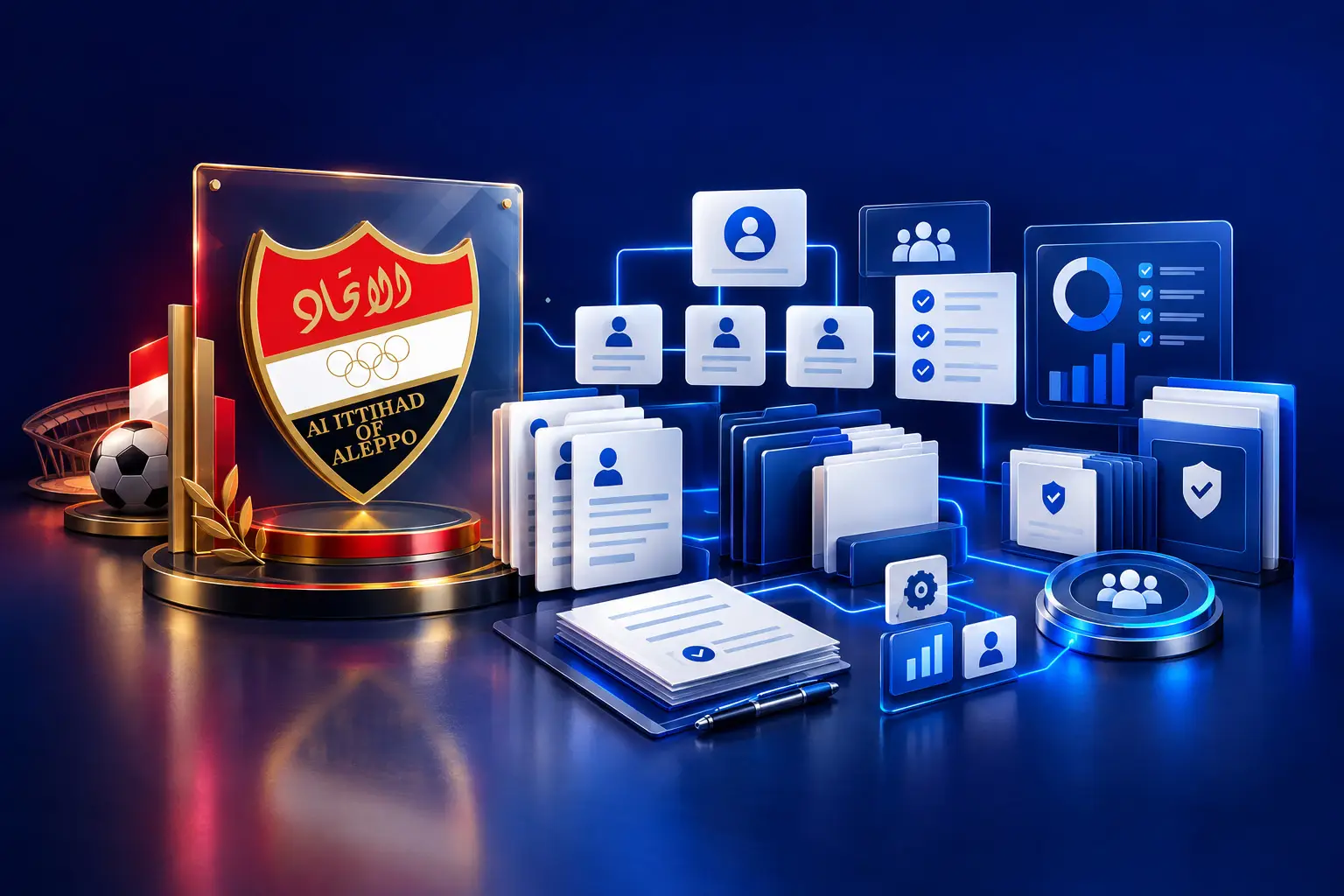
قد تشمل الأنظمة المحاسبة والمالية، والموارد البشرية، والمشتريات، والمخزون، والمبيعات، وإدارة العملاء، والمشروعات، والأصول، وسير الموافقات والإجراءات.
تبدأ الخدمة بتحليل العمليات والمتطلبات، ثم تحديد نطاق النظام والوظائف المطلوبة والصلاحيات ومسارات العمل والتقارير واحتياجات التكامل مع الأنظمة الأخرى.
كما ندعم إعداد النظام، وترحيل البيانات، وإجراء الاختبارات، وتدريب المستخدمين، والإطلاق، ومعالجة الملاحظات بعد التشغيل، بما يعزز الاستفادة الفعلية من النظام.
أتمتة الإجراءات وسير العمل
نحوّل الإجراءات اليدوية والمتكررة إلى مسارات عمل رقمية تساعد على تقليل الوقت والأخطاء وتحسين وضوح المسؤوليات.
تشمل الخدمة توثيق الإجراء الحالي، وتحليل خطواته، وتحديد الموافقات والمهام والنماذج والإشعارات ونقاط التحكم والبيانات المطلوبة.
بعد ذلك، نعيد تصميم الإجراء بصورة أكثر كفاءة، ونربطه بالأنظمة والتطبيقات المناسبة، مع تحديد صلاحيات المستخدمين وآليات التصعيد والتتبع.
تساعد الأتمتة على تسريع إنجاز المعاملات، وتقليل الاعتماد على المستندات الورقية، وتوفير سجل واضح لكل عملية وقرار وموافقة.
إعداد البنية التحتية لتقنية المعلومات
نصمم ونجهز بنية تحتية تقنية تدعم احتياجات المؤسسة الحالية وتراعي التوسع المتوقع واستمرارية الأعمال.
تشمل الخدمة دراسة وتجهيز الشبكات والخوادم وأجهزة المستخدمين والاتصال بالإنترنت وأنظمة التخزين والاتصالات والخدمات السحابية ومكونات مراكز البيانات عند الحاجة.
كما نحدد المواصفات الفنية المناسبة، ونراجع قدرة الأنظمة على الاستيعاب والأداء، وننظم إعدادات المستخدمين والأجهزة والصلاحيات والاتصال الآمن.
يتم تصميم البنية التحتية بصورة توازن بين الأداء والتكلفة والأمان وسهولة الإدارة والصيانة والتطوير المستقبلي.
إدارة الشبكات والاتصال
نساعد المؤسسة على بناء وإدارة شبكة تقنية مستقرة وآمنة تضمن اتصال المستخدمين والأنظمة والمواقع والفروع بكفاءة.
تشمل الخدمة تصميم هيكل الشبكة، وتوزيع نقاط الاتصال، وإعداد أجهزة الشبكة، وتنظيم الوصول السلكي واللاسلكي، ومراقبة الأداء والاستخدام.
كما نعمل على فصل مستويات الوصول، وتأمين الاتصالات، وإدارة المستخدمين والأجهزة، وتحديد الأعطال ونقاط الضعف التي قد تؤثر في سرعة الشبكة واستقرارها.
تساعد الإدارة المستمرة للشبكات على تقليل الانقطاعات ورفع كفاءة الاتصال وتحسين تجربة المستخدم وحماية موارد المؤسسة التقنية.
إدارة قواعد البيانات
نقدم خدمات إدارة قواعد البيانات لضمان تنظيم البيانات وتوفرها وسلامتها وإمكانية الاستفادة منها بكفاءة.
تشمل الخدمة إنشاء قواعد البيانات وإعدادها، وتنظيم الجداول والعلاقات والصلاحيات، ومراقبة الأداء، ومعالجة البطء والأخطاء، وتحسين طرق تخزين البيانات واسترجاعها.
كما نراجع مستويات الوصول إلى البيانات، ونطبق الضوابط التي تحد من الاستخدام غير المصرح به أو التعديل أو الحذف غير المقصود.
تساعد الإدارة الفاعلة لقواعد البيانات على تحسين أداء الأنظمة، ورفع موثوقية المعلومات، وتقليل مخاطر الفقد أو التعطل.
النسخ الاحتياطي واستعادة البيانات
نطور سياسات وآليات للنسخ الاحتياطي تضمن حماية البيانات وإمكانية استعادتها عند حدوث خلل أو فقد أو هجوم تقني.
تشمل الخدمة تحديد البيانات والأنظمة التي تتطلب النسخ، ودورية النسخ، وفترات الاحتفاظ، ومواقع التخزين، ومستويات الحماية، والمسؤوليات.
كما نساعد على تطبيق نسخ احتياطية محلية أو سحابية أو مختلطة، وإجراء اختبارات دورية للتحقق من سلامة النسخ وقابلية استعادة البيانات.
تقلل هذه الخدمة من أثر الأعطال والحوادث، وتدعم استمرارية الأعمال، وتحد من خسارة المعلومات الحيوية للمؤسسة.
الحماية والأمن السيبراني
نساعد المؤسسات على تعزيز حماية أنظمتها وشبكاتها وبياناتها ومستخدميها من التهديدات والمخاطر السيبرانية.
تبدأ الخدمة بتقييم الوضع الأمني، وتحديد الأصول التقنية، ومراجعة نقاط الضعف، والصلاحيات، وإعدادات الحماية، والتحديثات، وممارسات المستخدمين.
قد تشمل الحلول إدارة الوصول، وحماية الأجهزة والشبكات، والتشفير، والجدران النارية، والحماية من البرمجيات الضارة، ومراقبة الأحداث، والتوعية الأمنية.
كما نطور سياسات وإجراءات للاستجابة للحوادث، وإدارة الثغرات، وحماية البيانات، واستعادة العمليات، بالتنسيق مع الجهات المتخصصة عند الحاجة.
إدارة الهوية والصلاحيات
نساعد المؤسسة على تنظيم حسابات المستخدمين وصلاحياتهم لضمان وصول كل مستخدم إلى الأنظمة والبيانات اللازمة لعمله فقط.
تشمل الخدمة إنشاء قواعد لإضافة المستخدمين وتعديل صلاحياتهم وإيقاف حساباتهم، وربط الوصول بالأدوار والمسؤوليات الوظيفية.
كما نراجع الحسابات ذات الصلاحيات المرتفعة، والحسابات غير المستخدمة، وتعارض الصلاحيات، ومخاطر مشاركة كلمات المرور أو الوصول غير المصرح به.
يساعد تنظيم الهوية والصلاحيات على حماية المعلومات، وتعزيز المساءلة، وتقليل الأخطاء والمخاطر الداخلية.
تصميم وبناء مواقع الإنترنت
نصمم ونطور مواقع إلكترونية تعكس هوية المؤسسة وتقدم محتواها وخدماتها بصورة احترافية وسهلة الاستخدام.
تبدأ الخدمة بفهم أهداف الموقع والفئات المستهدفة والمحتوى والوظائف المطلوبة، ثم إعداد هيكل الصفحات وتجربة المستخدم والتصميم البصري.
نراعي توافق الموقع مع الهواتف والأجهزة المختلفة، وسهولة إدارة المحتوى، وسرعة الأداء، ومتطلبات الحماية، وإمكانية التكامل مع الأنظمة والخدمات الأخرى.
كما يمكن أن تشمل الخدمة الاختبار، وإطلاق الموقع، وتدريب فريق الإدارة، والمتابعة الفنية والتحديثات بعد الإطلاق.
تصميم وتطوير التطبيقات
نطور تطبيقات رقمية للهواتف أو الويب تساعد المؤسسات على تقديم خدماتها وإدارة عملياتها وتحسين تفاعلها مع العملاء والموظفين.
تشمل الخدمة تحليل الفكرة والمتطلبات، وتصميم تجربة وواجهات المستخدم، وتطوير الوظائف، وربط التطبيق بقواعد البيانات والأنظمة والخدمات الخارجية.
كما نجري الاختبارات الوظيفية والأمنية واختبارات الأداء والتوافق، ونعالج الملاحظات قبل الإطلاق.
يمكن أن يمتد الدعم إلى نشر التطبيق، ومراقبة أدائه، وإصدار التحديثات، وإضافة الخصائص الجديدة وفق احتياجات المؤسسة والمستخدمين.
تكامل الأنظمة والبيانات
نساعد المؤسسة على ربط أنظمتها وتطبيقاتها المختلفة لتقليل تكرار إدخال البيانات وتحسين تدفق المعلومات بين الإدارات.
تشمل الخدمة دراسة الأنظمة الحالية، وتحديد نقاط التكامل، والبيانات المتبادلة، وتوقيت التحديث، والصلاحيات، وقواعد التحقق.
قد يتضمن التكامل ربط أنظمة ERP بالمواقع والتطبيقات وأنظمة الموارد البشرية والمحاسبة والمبيعات وإدارة العملاء ولوحات المؤشرات.
يؤدي التكامل إلى تحسين اتساق البيانات، وتقليل الأخطاء، وتسريع العمليات، وتوفير رؤية موحدة عن أداء المؤسسة.
البيانات الآنية والتقارير الإدارية
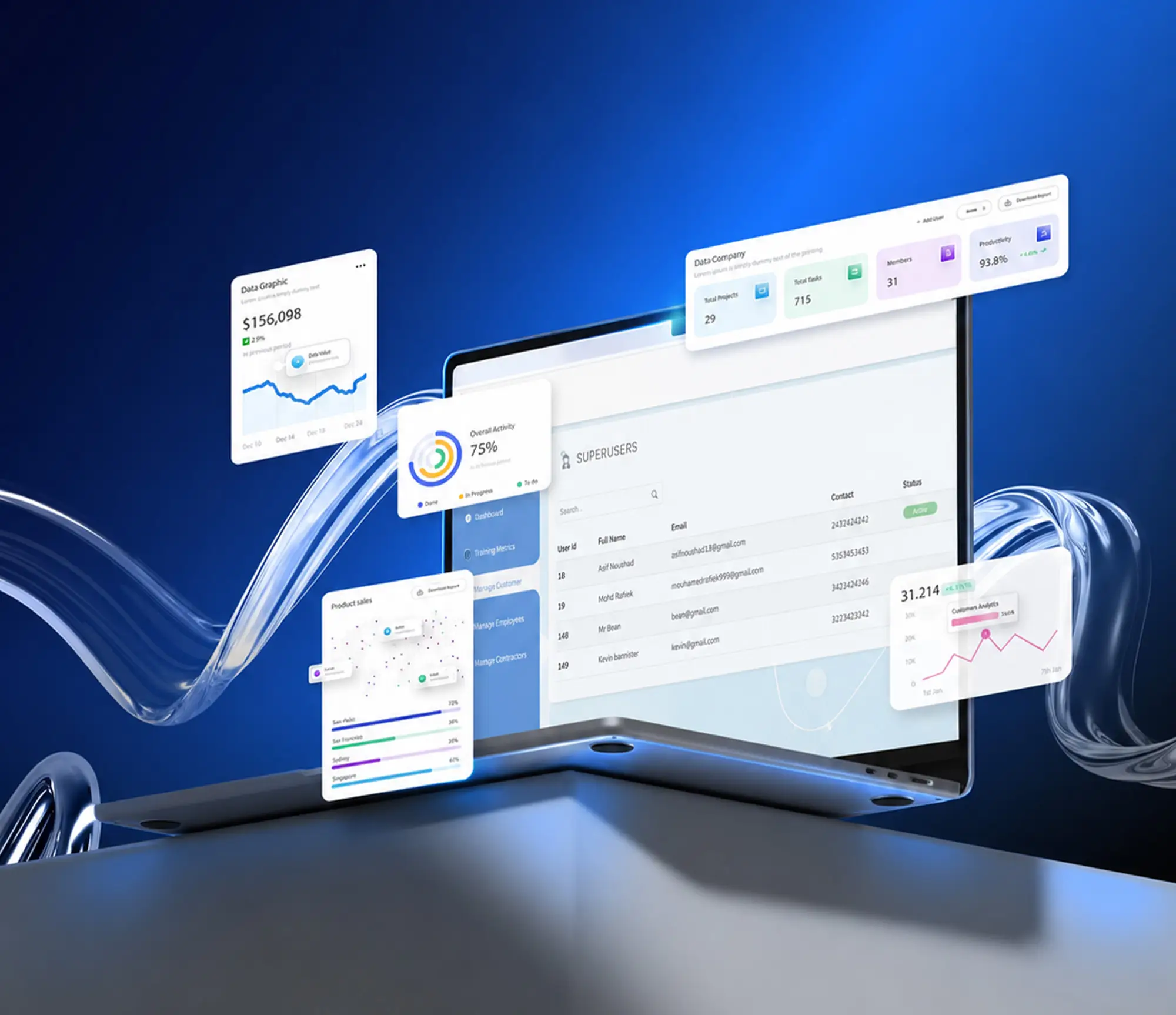
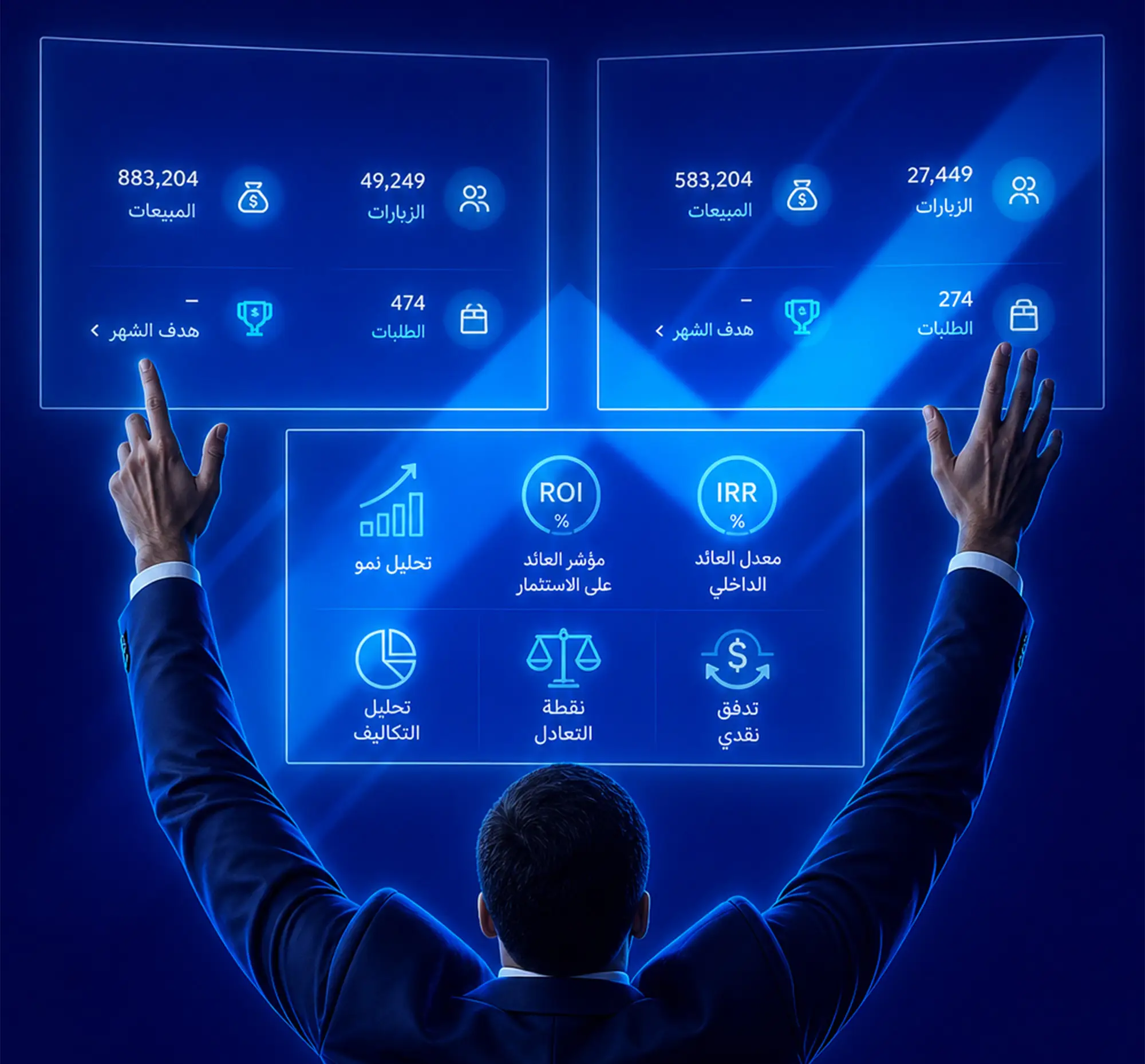
نساعد المؤسسات على تحويل بيانات الأنظمة إلى تقارير ولوحات معلومات توفر للإدارة رؤية واضحة ومحدثة عن الأداء.
تشمل الخدمة تحديد المؤشرات المطلوبة، ومصادر البيانات، وقواعد الاحتساب، ودورية التحديث، ومستويات الوصول إلى التقارير.
يمكن تصميم لوحات لمتابعة العمليات والمبيعات والمالية والموارد البشرية والمشروعات وخدمة العملاء وغيرها من مجالات العمل.
تدعم البيانات الآنية اكتشاف الانحرافات مبكرًا، ومقارنة النتائج بالمستهدفات، واتخاذ قرارات أسرع وأكثر دقة.
استشارات التحول الرقمي
نساعد المؤسسة على تطوير رؤية وخارطة طريق للتحول الرقمي تربط التقنية بالاستراتيجية والعمليات وتجربة العملاء والموظفين.
تشمل الخدمة تقييم النضج الرقمي، وتحديد فرص الأتمتة، وترتيب المبادرات التقنية، وتقدير الاحتياجات والموارد والمخاطر والجدول الزمني.
كما نساعد على تحديد الأنظمة والحلول المناسبة، وتحسين العمليات قبل رقمنتها، وإدارة أثر التحول في الأدوار والمهارات وأساليب العمل.
يهدف التحول الرقمي إلى تحقيق قيمة تشغيلية وإدارية واضحة، بدلًا من تطبيق التقنيات دون ارتباط فعلي باحتياجات المؤسسة.
الدعم الفني والصيانة المستمرة
نوفر دعمًا فنيًا يساعد على معالجة الأعطال والمشكلات التي تواجه المستخدمين والأنظمة والأجهزة والشبكات.
قد تشمل الخدمة الدعم عن بعد أو في الموقع، وإدارة طلبات الدعم، وتصنيف الأولويات، وتشخيص الأعطال، وتنفيذ الحلول، وتوثيق الحالات.
كما تشمل الصيانة الوقائية، وتحديث الأنظمة والتطبيقات، ومراجعة السعة والأداء، ومراقبة التراخيص والأجهزة، والحد من تكرار المشكلات.
يتم تنظيم الدعم وفق مستويات خدمة وأوقات استجابة ومسارات تصعيد واضحة، بما يحافظ على استقرار البيئة التقنية واستمرارية العمل.
استمرارية الأعمال والتعافي من الكوارث
نساعد المؤسسة على الاستعداد للأعطال والحوادث التقنية التي قد تؤدي إلى توقف الأنظمة أو فقدان الوصول إلى البيانات والخدمات.
تشمل الخدمة تحديد الأنظمة والعمليات الحرجة، وتقييم أثر التوقف، وتحديد أولويات الاستعادة والأوقات المقبولة للعودة إلى العمل.
كما نطور إجراءات بديلة وخططًا للتعافي، ونحدد المسؤوليات وقنوات الاتصال وموارد الاستعادة والنسخ المطلوبة.
تساعد الاختبارات والمراجعات الدورية على التأكد من أن المؤسسة قادرة على الاستجابة للحوادث واستعادة خدماتها بأقل أثر ممكن.
المخرجات المتوقعة من الخدمة
قد تشمل المخرجات تقرير تقييم الوضع التقني، وخارطة طريق تقنية، ووثيقة متطلبات الأنظمة، وتصميم البنية التحتية والشبكات، وخطة تطبيق نظام ERP.
كما قد تشمل الموقع أو التطبيق المطور، وقواعد البيانات، وخطة النسخ الاحتياطي والاستعادة، وسياسات الأمن السيبراني، ومصفوفة المستخدمين والصلاحيات.
وقد تتضمن المخرجات أيضًا أدلة الاستخدام، وتقارير الاختبار، ولوحات المعلومات، وخطة التحول الرقمي، واتفاقية الدعم الفني، وسجلات الصيانة ومؤشرات مستوى الخدمة.
الأثر المتوقع من الخدمة
تساعد الخدمة على رفع كفاءة العمليات، وأتمتة الإجراءات، وتحسين التكامل بين الإدارات والأنظمة، وتوفير بيانات موثوقة وآنية للإدارة.
كما تسهم في تعزيز حماية البيانات، وتقليل الأعطال، وتحسين استمرارية الأعمال، ورفع جودة الخدمات المقدمة للعملاء والموظفين.
ويؤدي الجمع بين الأنظمة والبنية التحتية والأمن والبيانات والدعم الفني إلى بناء بيئة تقنية أكثر استقرارًا ومرونة وقابلية للنمو.